
The Role of Technology in Modern Architectural Design
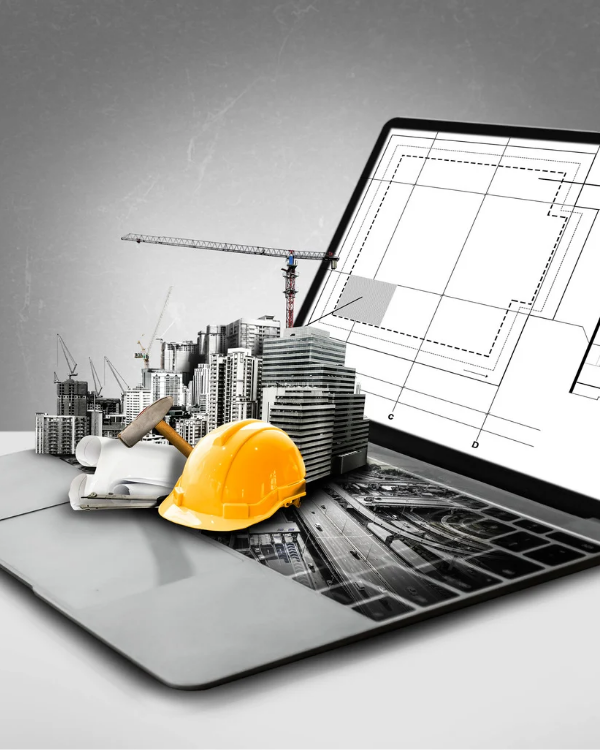
In an industry as creative and complex as architecture, technology has become more than just a tool—it’s a driving force. From design conceptualization to construction documentation and even facility management, modern architecture is being reshaped by technological innovation. At our firm, we embrace technology not only to enhance the quality of our work but also to improve the client experience and create smarter, more sustainable spaces. Let’s explore how technology is transforming architectural design—and why it’s essential for the future of the built environment. 1. Smarter Design with Building Information Modeling (BIM) One of the most significant advancements in architectural design is Building Information Modeling (BIM). Unlike traditional 2D drawings, BIM enables us to create intelligent 3D models that include data about every aspect of the building—from structure and systems to materials and lifecycle performance. With BIM, we can: Visualize and simulate the building in detail before construction begins Coordinate seamlessly with structural, MEP, and civil engineers Detect and resolve clashes early, reducing costly errors on-site Improve efficiency in planning, budgeting, and scheduling BIM not only streamlines the workflow but also enhances collaboration across disciplines, resulting in more accurate, cost-effective, and sustainable designs. 2. Enhanced Visualization with 3D Modeling and Rendering Gone are the days when clients had to interpret technical floor plans to understand a design. With advanced 3D modeling and rendering software, we can now present lifelike visuals that show exactly how a space will look and feel. These tools allow clients to: Walk through realistic renderings of their project View textures, lighting, materials, and furniture in context Make informed design decisions early in the process Tools like SketchUp, Revit, and Lumion help bridge the gap between concept and reality, ensuring alignment between our vision and the client’s expectations. 3. Virtual Reality (VR) and Augmented Reality (AR) Virtual Reality (VR) and Augmented Reality (AR) are pushing architectural visualization even further. With VR, clients can step inside a virtual version of their building and experience the space in immersive 360-degree environments. AR, on the other hand, overlays digital models onto real-world views, allowing clients to visualize how a design fits into an existing site or structure. This level of interactivity improves client understanding, facilitates real-time feedback, and leads to faster, more confident decision-making. 4. Sustainable Design Through Smart Tech Technology also plays a crucial role in sustainable architecture. We use environmental simulation tools to analyze sunlight, wind flow, energy performance, and building orientation to optimize our designs for natural light, ventilation, and energy efficiency. Technologies that support sustainable design include: Energy modeling software (e.g., DesignBuilder, Sefaira) Smart materials with high thermal performance Renewable energy systems (solar panels, geothermal heating) Smart home integration for energy monitoring and control By leveraging these tools, we design buildings that not only reduce environmental impact but also lower operational costs for clients. 5. Streamlined Workflow and Collaboration Project management platforms like Trello, Asana, and cloud-based file sharing allow our team to collaborate efficiently—both internally and with clients, consultants, and contractors. Cloud-based CAD and BIM software enable real-time edits and version control, ensuring everyone stays on the same page throughout the project lifecycle. Technology also allows us to respond faster, adapt to changes more efficiently, and maintain transparency with all project stakeholders. 6. Construction Innovation and Digital Fabrication On the construction side, technology continues to advance with tools like: 3D printing for creating scaled models or even building components Drones for surveying and site inspections Laser scanning to capture precise measurements of existing structures Prefabrication and modular construction for faster, more cost-effective builds These innovations help reduce construction time, minimize waste, and improve accuracy on site. Conclusion: Designing for the Future In today’s fast-paced, ever-evolving world, embracing technology is not optional—it’s essential. At our firm, we use the latest tools and software to design smarter, communicate better, and deliver exceptional results. Technology enables us to visualize more clearly, build more sustainably, and collaborate more effectively. But at the heart of it all, technology supports what really matters: great design, seamless experiences, and buildings that stand the test of time.
Interior vs. Exterior Design: Why Both Matter in Residential Architecture
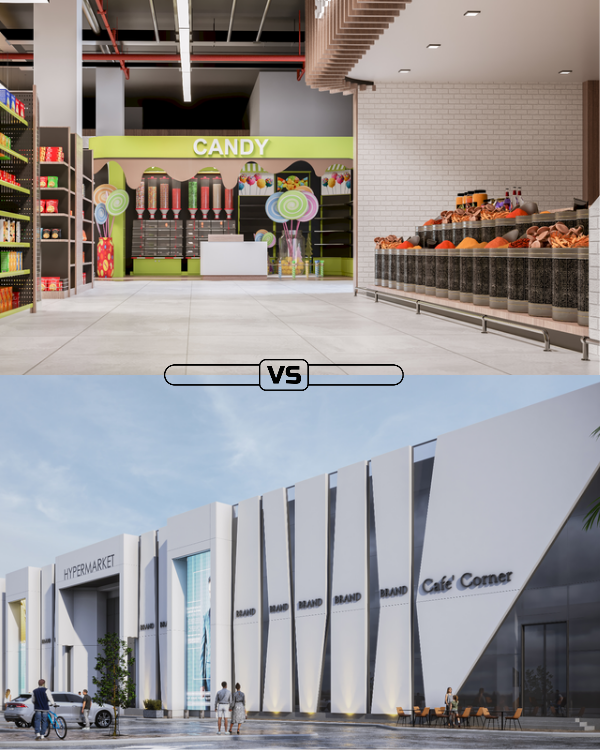
When it comes to residential architecture, the debate between interior and exterior design often arises. While each of these elements plays a vital role in the overall aesthetic and functionality of a home, they are equally important, though they serve different purposes. Understanding how the interior and exterior work together can help homeowners, architects, and designers create a truly cohesive living space. At our firm, we believe that interior and exterior design are two halves of a whole, each contributing to the home’s beauty, comfort, and functionality. Let’s dive deeper into why both matter so much in residential architecture and how they complement each other. The Exterior: The First Impression The exterior of a home is its first impression—it’s what sets the tone for the entire space. When designing the outside of a home, the focus is on creating an inviting, aesthetically pleasing, and functional façade. Exterior design includes elements such as: Architectural Style: Whether it’s modern, traditional, colonial, or contemporary, the architectural style defines the home’s personality and guides the choice of materials, color palettes, and form. Landscaping: Landscaping adds both beauty and functionality. From gardens and lawns to walkways and outdoor seating areas, exterior landscaping enhances curb appeal and creates an inviting space for outdoor activities. Sustainability: Eco-friendly materials, efficient windows, and sustainable construction techniques not only make a home more energy-efficient but also create an exterior that’s in harmony with its environment. Materials & Finishes: The materials used for cladding, roofing, windows, and doors contribute to both the aesthetic and durability of the home’s exterior. Wood, stone, metal, or concrete can evoke different moods and provide lasting protection. The exterior sets the foundation for the overall tone of the house. It welcomes guests, provides curb appeal, and reflects the homeowner’s style and values. It’s the “face” of the home, and it should be as thoughtfully designed as the interior. The Interior: Functionality Meets Comfort While the exterior grabs attention, the interior is where life happens. Interior design focuses on how a home functions on a daily basis, as well as how it feels. The goal is to create a space that’s not only aesthetically pleasing but also comfortable, efficient, and easy to navigate. Some key interior design elements include: Space Planning: Proper space planning ensures that every square foot of the home is functional. Whether it’s an open-plan living room or separate, defined rooms, the arrangement of spaces impacts the flow and livability of the home. Furniture & Layout: Interior design considers the placement of furniture and the use of colors, textures, and materials to create a harmonious environment. The goal is to design spaces that serve specific functions while also feeling cozy and inviting. Lighting: Lighting is crucial in interior design, both for functionality and ambiance. Natural light is always ideal, but strategically placed artificial lighting enhances the mood and highlights specific design elements. Personalization: Interior design allows homeowners to personalize their living spaces, expressing their style through decor, artwork, and unique furnishings. It’s where comfort, personality, and style converge. The interior is where residents spend their time, so it’s important that it fosters comfort and functionality. While the exterior draws people in, the interior is where memories are made, families grow, and comfort thrives. How Interior and Exterior Design Work Together Although interior and exterior design serve different functions, they should not be isolated from each other. A truly successful residential design involves a seamless blend of the two. Here’s how they work together: Flow and Continuity: The transition from the exterior to the interior of a home should feel seamless. Open spaces, consistent color palettes, and design elements that mirror each other create harmony between the two. For example, the materials used on the outside of the house, like stone or wood, can be brought into the interior to create visual continuity. Complementary Aesthetics: A cohesive aesthetic ensures the home feels like one complete entity. A minimalist exterior design may be complemented by a simple, sleek interior, while a more traditional exterior might be paired with rich textures and classic furniture. The choice of exterior finishes can influence the interior design’s color scheme and materials. Functionality and Usability: Both the interior and exterior should be designed for optimal functionality. For instance, the outdoor space might feature a deck or patio that flows directly into a spacious living room, creating a seamless transition between indoor and outdoor living. Similarly, the placement of windows and doors influences natural light inside, making the home more energy-efficient and pleasant to live in. Connection to Nature: A well-designed exterior can enhance the connection between the home and nature, which is then reflected in the interior. Whether it’s large glass windows that open up to a beautiful view, or an outdoor kitchen and dining area that encourage socializing, the interior and exterior should complement each other in enhancing the living experience. Conclusion: A Unified Vision Both interior and exterior design are essential components of a successful residential architecture project. While the exterior creates a strong first impression and enhances curb appeal, the interior provides the functionality, comfort, and aesthetic charm that make a house a home. The best designs are those that merge these two elements, creating a cohesive and harmonious space where design, comfort, and functionality coexist. At our firm, we specialize in creating homes that balance the beauty of both interior and exterior design, ensuring a seamless flow between the two. Whether it’s maximizing outdoor living spaces or designing interiors that reflect the exterior style, we believe that great architecture integrates both elements to create a space that is beautiful, functional, and sustainable.
Sustainable Architecture: Smart Design Choices for a Greener Future
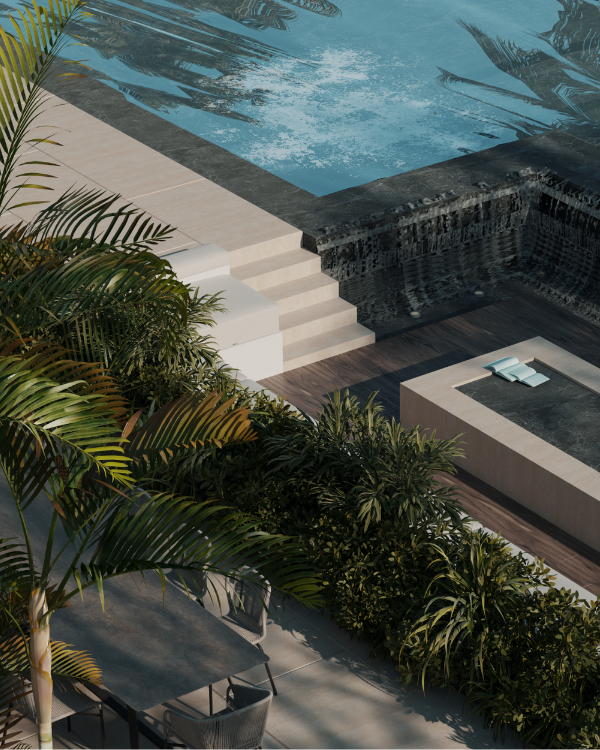
As the world continues to face environmental challenges, the role of architecture in shaping a sustainable future has never been more critical. Buildings account for a significant portion of global energy consumption and emissions—but with thoughtful design, they can become part of the solution. At our architectural firm, we believe that sustainability is not a trend, but a responsibility. Here’s how smart design choices can make architecture greener, more efficient, and more future-ready. Understanding Sustainable Architecture Sustainable architecture is about designing buildings that are environmentally responsible and resource-efficient throughout their life cycle. From siting and design to construction, operation, maintenance, and eventual deconstruction, sustainability should be considered at every step. The goal is to minimize the building’s impact on the environment while enhancing the quality of life for its occupants. This includes the use of renewable energy, water conservation, efficient insulation, sustainable materials, and design strategies that reduce overall energy demand. But it’s not just about technology—it’s about making smarter choices from the very beginning. Smart Design Starts With Site Planning A sustainable building begins with intelligent site planning. Understanding the natural characteristics of the site—like sunlight orientation, wind patterns, and topography—allows us to design in harmony with the environment. Passive solar design, for example, uses window placement and shading to reduce the need for artificial heating and cooling. Preserving green areas, planning for stormwater runoff, and incorporating native landscaping all contribute to a healthier ecosystem and lower long-term maintenance. Energy Efficiency at the Core One of the most impactful elements of sustainable architecture is energy efficiency. By reducing a building’s energy needs through smart insulation, natural ventilation, and LED lighting, we can lower utility costs and carbon emissions. Incorporating renewable energy sources—such as solar panels or geothermal systems—further enhances performance. In addition, using advanced building systems and controls (like smart thermostats and energy management systems) can dramatically improve energy use, adapting to real-time needs and optimizing efficiency throughout the day. Sustainable Materials Make a Difference Material selection plays a huge role in creating an eco-friendly building. We prioritize materials that are: Locally sourced to reduce transportation impact Recycled or recyclable to limit waste Low in volatile organic compounds (VOCs) for better indoor air quality Durable and low-maintenance to increase lifespan Whether it’s reclaimed wood, bamboo flooring, recycled steel, or eco-friendly insulation, choosing the right materials supports both the planet and the people using the space. Water Conservation Is Essential Sustainable buildings don’t just save energy—they conserve water too. From low-flow plumbing fixtures and dual-flush toilets to rainwater harvesting systems and drought-tolerant landscaping, water-saving strategies are integrated into our design philosophy. Efficient irrigation systems, greywater recycling, and permeable paving are additional tools that help manage water responsibly while keeping operating costs low. Indoor Environmental Quality Matters Healthy buildings create healthier lives. We design spaces that maximize natural light, promote airflow, and maintain indoor air quality. Using non-toxic materials, controlling humidity, and ensuring proper ventilation all contribute to wellness, productivity, and comfort—making sustainable buildings not just eco-friendly, but human-friendly too. Designing for the Future Sustainable architecture is also about future-proofing. We design adaptable spaces that can evolve over time, reducing the need for costly renovations or demolitions. By planning for flexibility, we extend the life and relevance of the building while conserving resources. In addition, we consider the building’s full lifecycle impact—from construction methods to deconstruction or reuse—ensuring that sustainability isn’t just a feature, but a foundation. Conclusion Sustainable architecture isn’t achieved through a single feature—it’s a mindset woven through every phase of design. Through smart site planning, efficient systems, sustainable materials, and a deep respect for nature, we create buildings that work better for the people who use them and for the world we all share. At our firm, we are committed to designing spaces that are not only beautiful and functional, but also deeply responsible. If you’re looking to build a greener future, we’re here to make that vision a reality.
From Concept to Completion: What to Expect in the Architectural Design Process
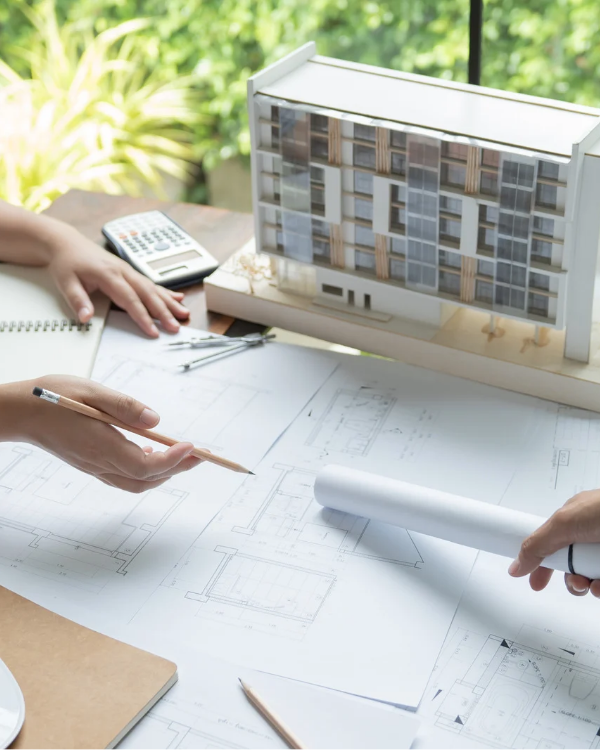
Embarking on an architectural project can be both exciting and overwhelming, especially if it’s your first time. Whether you’re constructing a new home, a commercial building, or any other type of structure, understanding the architectural design process helps ensure that the journey is smooth, efficient, and aligned with your vision. Here’s what you can expect as we guide you from concept to completion. 1. Initial Consultation and Project Brief The process begins with the initial consultation and project briefing. This is where we sit down with you to understand your needs, preferences, and goals for the project. We’ll discuss the scope, budget, timeline, and any specific ideas or requirements you might have. This meeting is essential as it forms the foundation of the design brief that will guide the entire project. 2. Conceptual Design Once we have a clear understanding of your vision, we move into the conceptual design phase. During this stage, we create preliminary sketches and floor plans that explore different ideas and layouts for the project. We focus on how the space will function and look, considering things like flow, light, and form. We also consider the surrounding environment and how the design fits into the broader context. This phase might also involve mood boards or 3D visualizations to help bring your ideas to life and ensure we’re aligned with your preferences. 3. Design Development After refining the concept, we move into design development, where the design begins to take more concrete shape. We develop detailed plans, elevations, and specifications, including the materials and finishes that will be used. This is also when we begin integrating the structural and MEP (Mechanical, Electrical, Plumbing) systems into the design. Throughout this phase, we work closely with consultants to make sure the design is feasible and meets all technical requirements. At this point, you’ll also see more accurate visual representations of the design, allowing you to fully understand the scale and aesthetic of the space. 4. Documentation and Approvals Next comes documentation and approvals. With the design finalized, we prepare comprehensive drawings and documents required for building permits, contractor bidding, and regulatory approvals. This is where we ensure that all elements of the design comply with local codes and standards. We handle all the paperwork and submissions, so you don’t have to worry about navigating the approval process. At the same time, we collaborate with contractors to get accurate cost estimates for the construction phase. 5. Construction Phase The construction phase is where the vision truly comes to life. During this phase, we work closely with the contractor to oversee the construction process. This involves site visits, inspections, and coordinating with the contractor to ensure that everything is being built according to the plans. We’re there to answer any questions that may arise and help with material selection or adjustments along the way, ensuring the design intent is fully realized. Our goal is to keep the project running smoothly and address any issues that may come up. 6. Project Completion and Handover Finally, once construction is complete, we move to the project completion and handover phase. This involves a final inspection to ensure that everything meets the design specifications and quality standards. We’ll also help with any necessary documentation, such as operation manuals and maintenance instructions, to make sure the building operates smoothly in the long run. Once everything is checked and confirmed, the project is officially handed over to you. Conclusion Throughout the entire process, we remain dedicated to ensuring that the final outcome aligns with your vision and exceeds your expectations. From the first idea to the final product, we work closely with you at every step, providing professional guidance, creative solutions, and attention to detail. The architectural journey is a collaboration, and we are here to bring your vision to life, beautifully and sustainably.