When it comes to residential architecture, the debate between interior and exterior design often arises. While each of these elements plays a vital role in the overall aesthetic and functionality of a home, they are equally important, though they serve different purposes. Understanding how the interior and exterior work together can help homeowners, architects, and designers create a truly cohesive living space.
At our firm, we believe that interior and exterior design are two halves of a whole, each contributing to the home’s beauty, comfort, and functionality. Let’s dive deeper into why both matter so much in residential architecture and how they complement each other.
The Exterior: The First Impression
The exterior of a home is its first impression—it’s what sets the tone for the entire space. When designing the outside of a home, the focus is on creating an inviting, aesthetically pleasing, and functional façade. Exterior design includes elements such as:
-
Architectural Style: Whether it’s modern, traditional, colonial, or contemporary, the architectural style defines the home’s personality and guides the choice of materials, color palettes, and form.
-
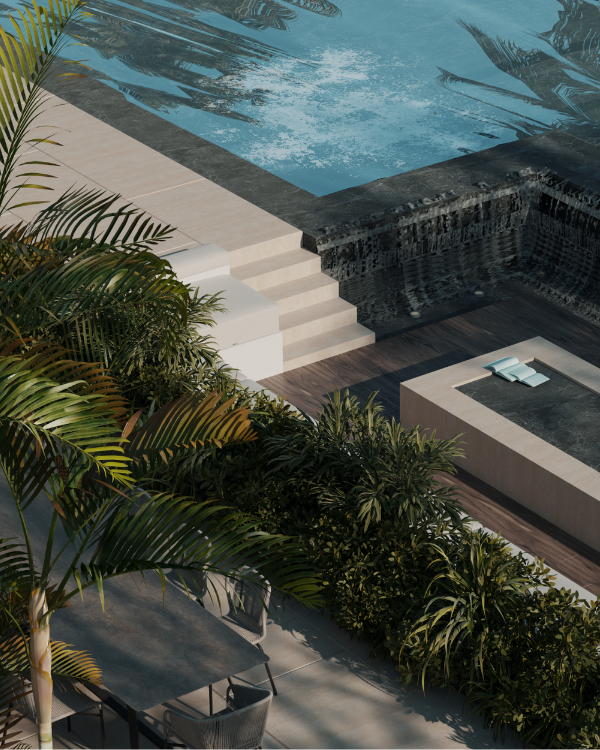
Landscaping: Landscaping adds both beauty and functionality. From gardens and lawns to walkways and outdoor seating areas, exterior landscaping enhances curb appeal and creates an inviting space for outdoor activities.
-
Sustainability: Eco-friendly materials, efficient windows, and sustainable construction techniques not only make a home more energy-efficient but also create an exterior that’s in harmony with its environment.
-
Materials & Finishes: The materials used for cladding, roofing, windows, and doors contribute to both the aesthetic and durability of the home’s exterior. Wood, stone, metal, or concrete can evoke different moods and provide lasting protection.
The exterior sets the foundation for the overall tone of the house. It welcomes guests, provides curb appeal, and reflects the homeowner’s style and values. It’s the “face” of the home, and it should be as thoughtfully designed as the interior.
The Interior: Functionality Meets Comfort
While the exterior grabs attention, the interior is where life happens. Interior design focuses on how a home functions on a daily basis, as well as how it feels. The goal is to create a space that’s not only aesthetically pleasing but also comfortable, efficient, and easy to navigate. Some key interior design elements include:
-
Space Planning: Proper space planning ensures that every square foot of the home is functional. Whether it’s an open-plan living room or separate, defined rooms, the arrangement of spaces impacts the flow and livability of the home.
-
Furniture & Layout: Interior design considers the placement of furniture and the use of colors, textures, and materials to create a harmonious environment. The goal is to design spaces that serve specific functions while also feeling cozy and inviting.
-
Lighting: Lighting is crucial in interior design, both for functionality and ambiance. Natural light is always ideal, but strategically placed artificial lighting enhances the mood and highlights specific design elements.
-
Personalization: Interior design allows homeowners to personalize their living spaces, expressing their style through decor, artwork, and unique furnishings. It’s where comfort, personality, and style converge.
The interior is where residents spend their time, so it’s important that it fosters comfort and functionality. While the exterior draws people in, the interior is where memories are made, families grow, and comfort thrives.
How Interior and Exterior Design Work Together
Although interior and exterior design serve different functions, they should not be isolated from each other. A truly successful residential design involves a seamless blend of the two. Here’s how they work together:
-
Flow and Continuity: The transition from the exterior to the interior of a home should feel seamless. Open spaces, consistent color palettes, and design elements that mirror each other create harmony between the two. For example, the materials used on the outside of the house, like stone or wood, can be brought into the interior to create visual continuity.
-
Complementary Aesthetics: A cohesive aesthetic ensures the home feels like one complete entity. A minimalist exterior design may be complemented by a simple, sleek interior, while a more traditional exterior might be paired with rich textures and classic furniture. The choice of exterior finishes can influence the interior design’s color scheme and materials.
-
Functionality and Usability: Both the interior and exterior should be designed for optimal functionality. For instance, the outdoor space might feature a deck or patio that flows directly into a spacious living room, creating a seamless transition between indoor and outdoor living. Similarly, the placement of windows and doors influences natural light inside, making the home more energy-efficient and pleasant to live in.
-
Connection to Nature: A well-designed exterior can enhance the connection between the home and nature, which is then reflected in the interior. Whether it’s large glass windows that open up to a beautiful view, or an outdoor kitchen and dining area that encourage socializing, the interior and exterior should complement each other in enhancing the living experience.
Conclusion: A Unified Vision
Both interior and exterior design are essential components of a successful residential architecture project. While the exterior creates a strong first impression and enhances curb appeal, the interior provides the functionality, comfort, and aesthetic charm that make a house a home. The best designs are those that merge these two elements, creating a cohesive and harmonious space where design, comfort, and functionality coexist.
At our firm, we specialize in creating homes that balance the beauty of both interior and exterior design, ensuring a seamless flow between the two. Whether it’s maximizing outdoor living spaces or designing interiors that reflect the exterior style, we believe that great architecture integrates both elements to create a space that is beautiful, functional, and sustainable.